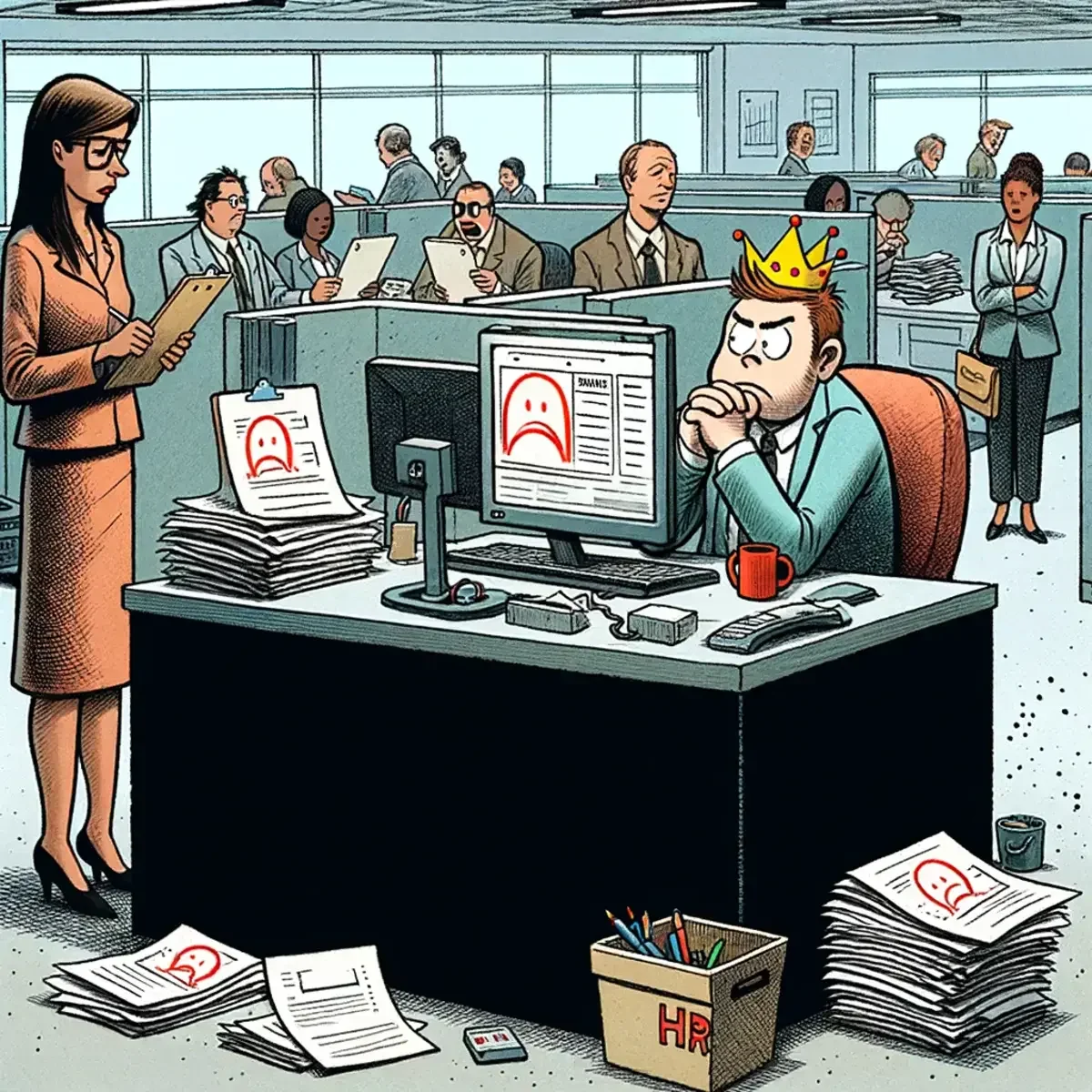
The debate about performance management is decades old. However, there is one area of agreement. We hate it. We all hate it and want it to go away. Both employers and employees dread annual performance reviews. They resent HR for the indignity of it. And, despite attempts at reform, performance management remains unpleasant and often counterproductive. See how Confirm handles performance reviews.
So why does performance management still suck? And is it really HR's fault?
Common Challenges with Modern Performance Reviews
- Too Much Focus on Individual Performance
Traditional performance management systems fail to measure teamwork and collaboration. Employees working in isolation may perform well individually. However, this method can hinder team productivity, learning, and morale. - Infrequent Feedback
The current performance model does not cater to modern work. Your employees need ongoing, immediate feedback to improve and grow. - Subjectivity and Bias
Performance evaluations depend heavily on managers' personal perceptions of employees. This creates biased assessments driven by favoritism or personal dislike rather than performance. - Unfair Compensation and Promotion Decisions
Manager opinion drives pay, bonuses, and advancement in most companies. That means your relationship with your manager is the primary driver of your career instead of your performance. Does that sound fair?
- Quiet High Performers Stay Hidden
Traditional performance management systems fail to acknowledge the contributions of quiet high performers. These individuals are not vocal or skilled at self-promotion. Traditional performance management fails to identify and reward these people almost by design.
It's Not All HR's Fault
The HR department executes performance management, but they're not the only reason they don't work well. Performance management involves many people: managers, employees, and executives.
Managers might not know or care how to have a successful performance conversation. The process may not fully engage or motivate employees. This can lead to a lack of effort and commitment.
The old ways of rating performance create challenges for organizations. These systems rely on how managers see things. A manager's bias can unconsciously affect how they evaluate an employee's work. This can happen regardless of the actual outcomes. Sometimes managers give ratings because the system demands it. Ratings systems themselves can be biased. The result? Your employees end up resentful, dissatisfied, and harder to retain.
Performance management is usually a top-down process. Executives set goals and expectations without involving employees. This can create a disconnect between individual and organizational goals.
Performance management systems are rigid by nature and fail to account for nuance. While HR functions may have something to answer for, they are hardly the only culprits.
How New Technologies Can Help
Technology is advancing. New tools and methods are entering the market. They can change the narrative. One such technology is Organizational Network Analysis (ONA).
ONA uses data analysis to make visual maps that show how people and groups work together. These maps identify influential people and areas that may slow down progress. The process is less susceptible to bias because it doesn't rely on manager opinion alone. Managers and HR can use this data to better understand team dynamics and find opportunities for improvement.
Performance management still sucks but it's not HR's fault alone. The old ways and their challenges created a system that is out of date and ineffective. To make a system better, organizations can involve stakeholders and use new technologies like ONA.
Want to see how Confirm handles this? Request a demo — we'll walk you through the platform in 30 minutes.
If you're looking for calibration software to standardize ratings across your organization, see how Confirm approaches it.