Performance Management for Healthcare
Address clinician burnout, retain critical nursing talent, and improve quality of care. Build a stable, engaged workforce with early warning systems and succession planning.
Performance Management for Healthcare
You're losing clinicians to burnout while struggling to maintain quality of care.
Healthcare organizations are in crisis. Clinician burnout is epidemic, physicians, nurses, nurse managers burning out faster than you can replace them. Patient-to-staff ratios are unsafe. Nursing shortages mean relying on PRN staff and travel nurses, which disrupts team cohesion and patient continuity. When key clinicians leave, others are pushed harder, and burnout accelerates.
The paradox: you can't improve quality of care without stable staff, but you're losing staff before you know they're at risk. By the time someone puts in their two weeks, it's too late. You didn't see the warning signs. You didn't know they were overwhelmed, undervalued, or looking elsewhere.
But here's what changes everything: the same collaboration and engagement patterns that predict burnout can guide you to early interventions. When you see someone disengaging, you can offer mentorship opportunities, adjust workload, recognize contributions, or develop them for leadership roles that restore meaning and engagement. And when you understand who has critical expertise, you can build succession plans before they leave.

"Retention starts with understanding your people and when they're at risk."

"Data-driven approaches to burnout intervention show measurable impact on staff retention."

"Engaged clinical teams deliver better patient outcomes and safer care."
Early warning system to detect clinician burnout and disengagement
Burnout shows up in behavioral patterns before resignation letters. Reduced collaboration, pulling back from mentoring, declining engagement in committee work, or isolation from team. Confirm identifies these patterns so you can intervene, offer leadership development, adjust workload, provide mentoring, or create new career paths that restore engagement.
See the warning signs of burnout
Collaboration patterns, team engagement, and committee involvement reveal who's disengaging. Catch people before they leave, not when they give notice.
Intervene before they resign
Use data to understand what's driving disengagement. Offer meaningful work, leadership opportunities, mentorship, or workload adjustments based on actual patterns.
Track intervention impact
When you intervene, see if engagement improves. Measure what actually works to prevent burnout in your organization.
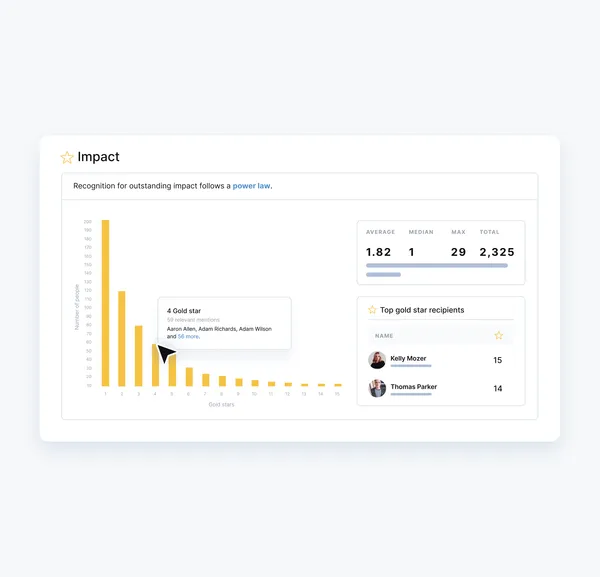
Retain nursing talent through visibility into engagement and development
Nursing turnover costs $60,000-$100,000 per person, but the hidden costs are higher, disrupted team dynamics, increased burden on remaining staff, and faster burnout in others. When you can see which nurses are at risk, disengaged, or ready for advancement, you can intervene with development opportunities, leadership roles, or recognition before they leave.
Identify at-risk nursing talent early
See who's disengaging, overwhelmed, or considering leaving. Behavioral and collaboration patterns predict turnover before resignation.
Create advancement pathways
Nurses need career growth, to leadership, specialty roles, or new departments. Identify high-potential nurses and develop them for advancement.
Reduce cascading burnout
Every nurse that leaves increases burden on others and accelerates their burnout. Retention is about team stability, not just individual retention.
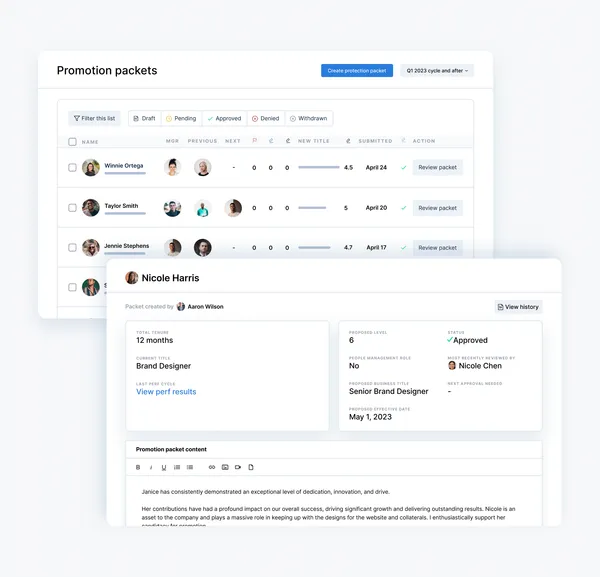
Challenges Unique to Healthcare
Physicians, nurses, and staff burning out at epidemic rates. You need early warning systems and interventions before they leave.
Losing nurses faster than you can recruit. Each departure increases burden on remaining staff, triggering cascading burnout.
Disengaged, burned-out clinicians make more errors and have worse patient outcomes. Staff stability directly affects patient safety.
Critical expertise and patient relationships concentrated in key clinicians. Need plans to develop successors before key people leave.
Nurse managers and department heads overwhelmed by staffing crises, turnover, and escalating workload on remaining staff.
Joint Commission standards on credentialing, staffing, and burnout prevention. Need to document workforce management decisions.
Manage succession for critical clinical roles and expertise
Many departments have concentration risk, deep expertise or patient relationships tied to one or two clinicians. If a key physician retires or a specialized nurse leaves, it disrupts care delivery and workflows. Confirm shows you who holds critical knowledge and expertise, so you can develop successors and transition knowledge before it's an emergency.
Map critical expertise and relationships
See who has deep clinical knowledge, specialty skills, or key patient relationships. Understand your concentration risk.
Identify succession candidates early
Find clinicians with high potential to develop in critical areas. Accelerate their development before key people leave.
Plan knowledge transfer
Build team redundancy so expertise isn't dependent on one person. Develop shared ownership of critical functions.
Build clinical teams that collaborate better and deliver better care
Effective clinical teams have better communication, catch more errors, and deliver better patient outcomes. When you understand collaboration patterns, who consults whom, who leads inter-disciplinary rounds, who mediates conflicts, you can strengthen team dynamics, reduce silos, and improve care delivery.
Understand clinical team dynamics
See how clinicians actually collaborate, who consults whom, how information flows, where silos create risks.
Identify collaboration gaps
Where aren't teams talking enough? Where are decision-makers isolated? Use patterns to improve communication and safety.
Improve patient outcomes through teamwork
Better team collaboration reduces errors, improves safety, and delivers better clinical outcomes.
Customer Story
How healthcare organizations reduce burnout and improve nursing retention
View healthcare case studies ›
Explore the whole platform
Performance Reviews
Modern performance management powered by ONA and AI.
Explore this feature ›Engagement Surveys
Turn employee feedback into action, faster.
Explore this feature ›OKRs and Goals
Track OKRs and career goals in one place.
Explore this feature ›Talent Management
Make better talent decisions, without the bias.
Explore this feature ›Feedback and Growth
Empower continuous feedback and development.
Explore this feature ›See Confirm in action
See why forward-thinking enterprises use Confirm to make fairer, faster talent decisions and build high-performing teams.